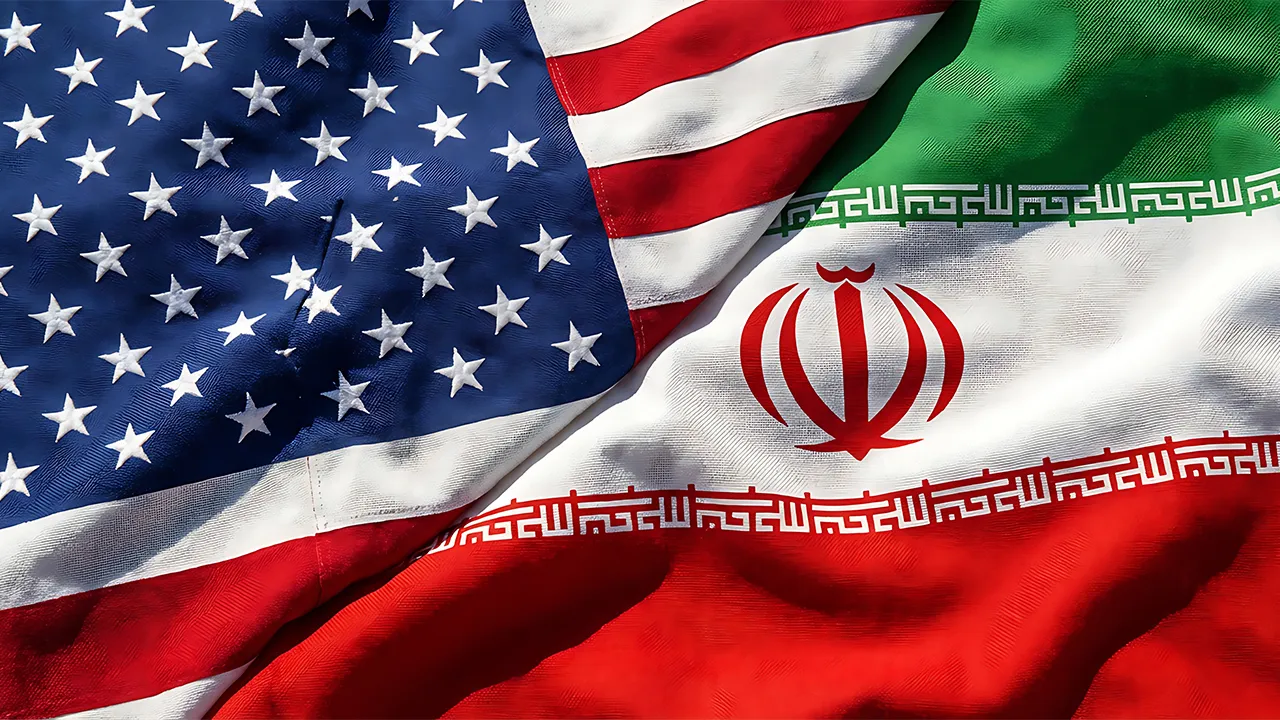
US and Iranian negotiators will face a tough task to close gaps in many unresolved issues from Israel's continued strikes on Lebanon to Iran's stockpile of enriched uranium as the two countries have laid out sharply contrasting agendas for the upcoming peace talks to be held in Islamabad, capital of Pakistan, later this week.
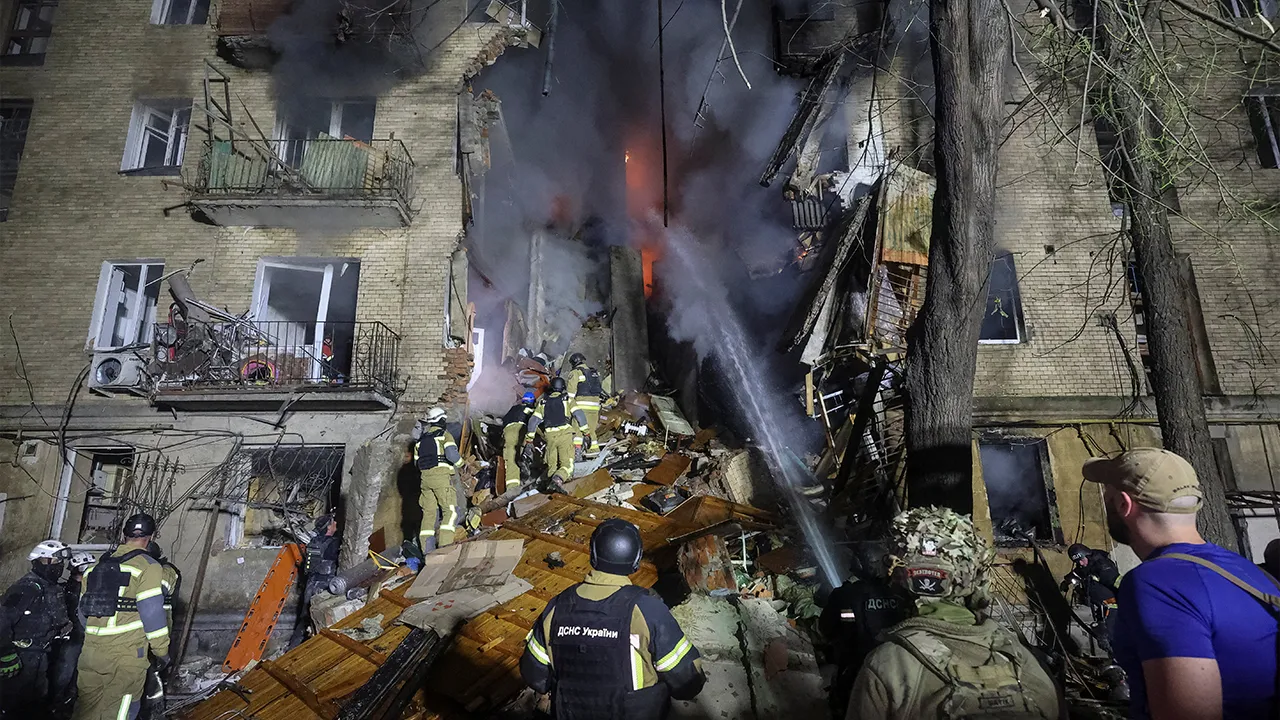
A two-week ceasefire between the United States and Iran took effect early on Wednesday, ending 40 days of U.S.-Israeli military attacks on Iran that had pushed the Middle East region to the brink of a wider war.
U.S. Vice President JD Vance will lead the U.S. team to attend the in-person peace negotiations with the Iranian team in Pakistan, which is scheduled to begin on Saturday morning, White House Press Secretary Karoline Leavitt said Wednesday.
President Donald Trump's envoy Steve Witkoff and his son-in-law Jared Kushner will accompany Vance in the talks, Leavitt said at a White House daily press briefing.
Pakistan, which mediated the truce agreement, has proposed hosting the talks between U.S. and Iranian negotiators in Islamabad as early as Friday.
Leavitt also told the press that Washington is working on a modified peace plan ahead of the closed-door talks beginning soon in Islamabad.
"The president's red lines, namely, the end of uranium enrichment in Iran, have not changed," she said.
Leavitt said that the U.S. willingness to hold talks is contingent on the reopening of the crucial global energy waterway "with no limitations or delays."
"Lebanon is not part of the ceasefire. That has been relayed to all parties involved in the ceasefire," Leavitt said. "This will continue to be discussed, I am sure, between the [U.S.] president and [Israeli]Prime Minister [Benjamin] Netanyahu, the United States and Israel and all of the parties involved," she added.
Israel has said that it will comply with the truce, but that the truce does not extend to Lebanon, although Pakistan said it does.
Israeli warplanes launched a series of airstrikes across Lebanon on Wednesday, killing at least 254 people and injuring 1,165 others, with densely populated neighborhoods in the capital, Beirut, among the hardest hit.
Iranian Foreign Minister Seyed Abbas Araghchi said Wednesday that the United States must choose between upholding a ceasefire or pursuing what he described as "continued war via Israel," referring to Israel's continuing to strike Lebanon.
"The Iran-U.S. ceasefire terms are clear and explicit: the U.S. must choose -- ceasefire or continued war via Israel. It cannot have both," Araghchi wrote on X.
"The ball is in the U.S. court, and the world is watching whether it will act on its commitments," the Iranian foreign minister said.
Meanwhile, Iran's Parliament Speaker Mohammad Baqer Qalibaf said Wednesday that a bilateral ceasefire or negotiation is "unreasonable" given violations of three key clauses in Iran's 10-point proposal.
In a statement published on social media platform X, Qalibaf said the non-compliance with the ceasefire in Lebanon, an entry of an intruding drone into the Iranian airspace, and the denial of Iran's right to uranium enrichment are the three key clauses already violated.
"The very workable basis on which to negotiate has been openly and clearly violated, even before the negotiations began," he said.
The Iranian side will be reportedly headed by Qalibaf.
Later on Wednesday, several media reports said that air defense has been activated in Tehran and northern Iran's Alborz province to target drones of unknown source.
Also on Wednesday, Vance said that Iran thought the ceasefire agreement included Lebanon, but this was not the case, and the United States"never made that promise."
This comes from a legitimate misunderstanding, he said.
Vance also said Israel has proposed to restrain itself when it comes to strikes in Lebanon as long as the negotiations between the United States and Iran are taking place.
On the same day, U.S. Defense Secretary Pete Hegseth said that the United States was closely monitoring Iran's uranium enrichment activities.
He said Iran will give the United States its enriched uranium or the United States will "take it out".
Meanwhile, Trump threatened that if negotiations with Iran do not go smoothly, the U.S. side will be able to easily resume military operations.